Saga Heavy Machine Co.
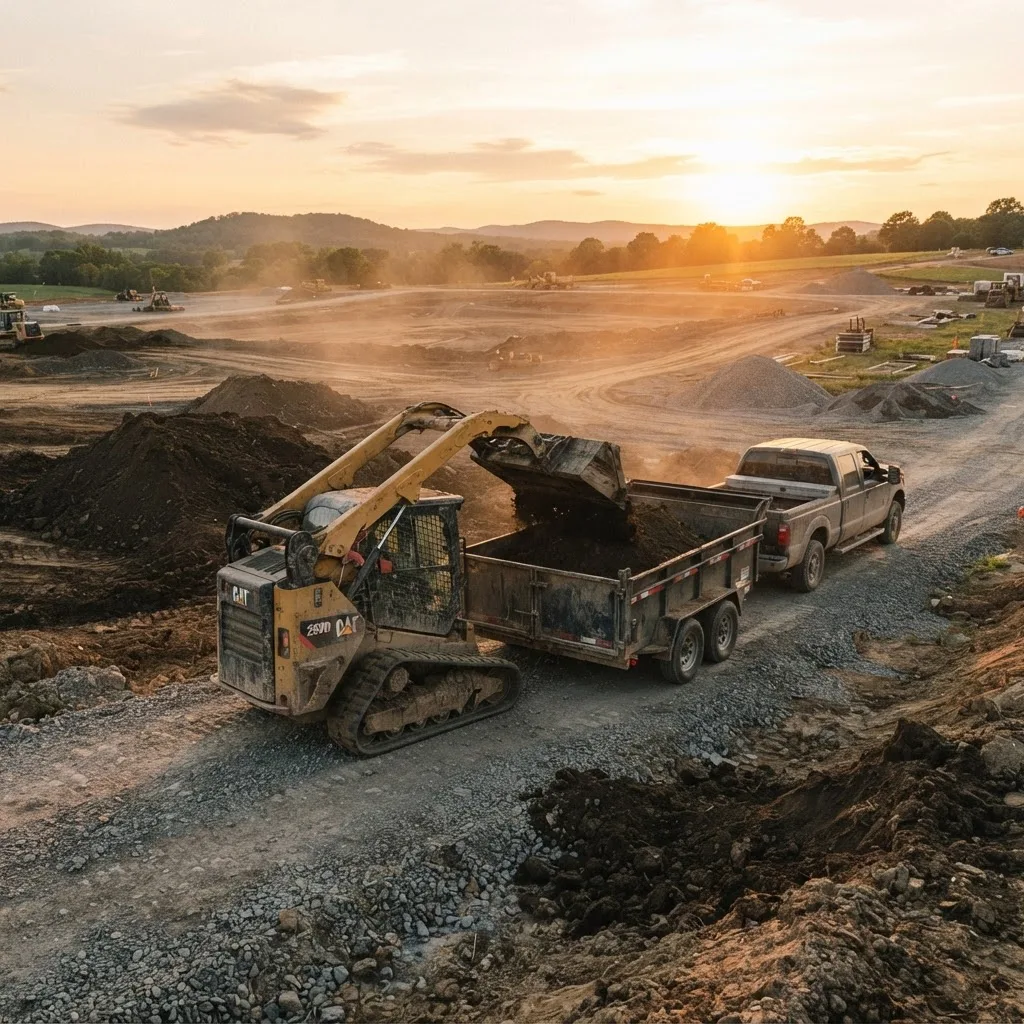
Site Prep & Hauling in Western Massachusetts — Saga Heavy Machine Co. job site
All Services

Site Prep & Hauling in Western MA

Full site preparation that gets a project off the ground — clearing, grading, backfill, and hauling material in and out. The unglamorous sequencing work that decides whether the trades that follow you can actually work.

What's included

  • Full site preparation for new builds and additions
  • Backfill and engineered fill placement
  • Material delivery: loam, gravel, stone, fill
  • Debris removal and disposal
  • Temporary access and laydown areas

Sequence is the whole job

Site prep is less about any single task than about doing things in an order that does not create rework. Clearing before staking. Stripping and stockpiling topsoil before bulk earthwork, so you still have loam for finish grading instead of buying it back. Rough grading before utilities. Establishing access and a laydown area before concrete trucks arrive rather than after they get stuck. Erosion controls in before disturbance, not after the first storm. Getting this order wrong is expensive in a way that is invisible on a quote — it shows up as delays, damaged work, and material you have to purchase twice.

Cut, fill, and why balance matters

Every site has a cut and fill balance: material excavated from high areas versus material needed in low ones. A balanced site reuses its own material and you pay only to move it. An unbalanced site means either trucking surplus off or importing fill, and both are dominated by trucking cost rather than the material itself. This is why thoughtful grading design saves real money — adjusting finished elevations slightly to balance earthwork can eliminate dozens of truck trips. Not all excavated material is reusable, though: topsoil is valuable and should be stockpiled separately, while organic or unsuitable material cannot go under a structure regardless of how convenient it would be.

Compaction and structural fill

Fill placed under anything structural has to be compacted properly, which means placing it in thin lifts and compacting each one rather than dumping it deep and rolling the top. Material matters too — clean granular fill compacts predictably, while organic or highly variable material does not. Settlement from poorly placed fill shows up months or years later as cracked slabs, sinking walkways, and low spots that pond, and by then fixing it means taking apart whatever was built on top. Where a project has engineered requirements, compaction testing verifies the work rather than trusting appearance.

Erosion control and disposal, done legally

Disturbed ground erodes, and Massachusetts takes this seriously. Silt fence, straw wattles, stabilized construction entrances, and prompt seeding of exposed areas are standard, and on larger disturbances a stormwater permit with an erosion control plan may be required. Disposal has rules as well: clean fill, brush, stumps, and construction debris follow different paths, and mixing them is what turns a cheap disposal into an expensive one. Stumps and brush in particular cannot simply be buried on site, and buried debris becomes the next owner's problem and your liability.

What affects the price

Every site is different, so we quote after seeing the property rather than publishing a rate that will not match your job. These are the factors that move the number:

  • Size of the site and total volume of material to move
  • Whether cut and fill balance, or material must be imported or exported
  • Trucking distance to material sources and disposal facilities
  • Type and volume of debris, since disposal rates vary by material
  • Compaction standards and any required testing
  • Erosion control measures and permits required
  • Site access and staging room for trucks
  • How much clearing or demolition comes first

Site Prep & Hauling FAQs

What does site prep actually include?
Everything that has to happen before vertical construction starts: clearing, stripping and stockpiling topsoil, rough grading to design elevations, excavating for foundations and utilities, placing and compacting structural fill, establishing access and staging, and installing erosion controls. Scope varies by project, which is why we define it explicitly rather than assuming.
Can you reuse the soil already on my site?
Often, and it usually saves real money. Topsoil should be stripped and stockpiled separately for reuse in finish grading rather than buried or hauled away. Suitable subsoil can frequently be reused as fill. Organic material, wood debris, and highly variable soils cannot go under structures, so those need to leave. Balancing cut and fill on site avoids trucking, which is typically the largest cost in earthwork.
What happens to brush, stumps, and debris?
They follow different disposal routes, and keeping them separated matters for cost. Clean brush and wood can often be chipped or processed. Stumps have specific disposal requirements. Construction debris goes to a permitted facility, and mixed loads cost significantly more than sorted ones. Burying stumps or debris on site is not a legal shortcut and becomes a liability later.
Do you need a permit for site work?
It depends on scope. Building and foundation work requires a permit through your town. Larger disturbances may trigger stormwater permitting with an erosion control plan. Work near wetlands requires a Conservation Commission filing. Septic falls under Title 5 and the Board of Health. We will tell you what we see coming, but permits are generally the property owner's or general contractor's responsibility.

Site Prep & Hauling by town

Need site prep & hauling?

Tell us about your site and we'll get you a straight estimate.

Request a Quote